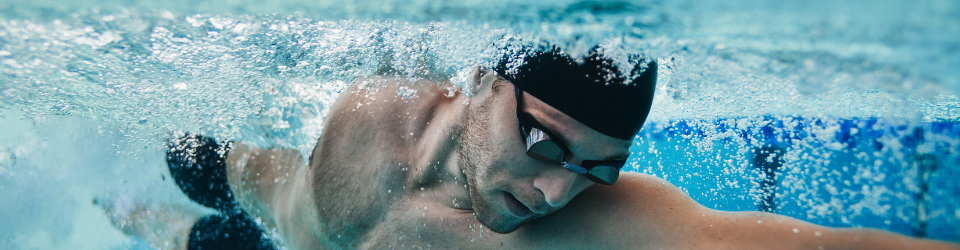
Are you, or do you know a swimmer with a disability who has aspirations to progress towards a high performance standard and who meets the following criteria:
- 10+ years of age
- Fit into groups A, B, C or D of the Swimmer ID toolkit (see toolkit below and Classification page)
- Motivated to develop as a Para Swimmer
Process
- Complete the form below in full
- Film a 30 second clip of the swimmer in the pool performing their most favoured stroke (it is the responsibility of the person submitting the form to gain consent from the swimmer or their parent/guardian if under the age of 18 years to film and submit the video).
- Submit the fully completed form and video to para@swimwales.org
- The video and form will be reviewed by performance staff at Swim Wales
- Swimmers will be given some feedback with regards to the next steps. This could include, but is not limited to:
- Invite to the National Para Performance Centre in Swansea for further talent screening
- Signposted to a relevant classification opportunity
- Further development within a club environment
Para Swimmer ID Toolkit
Talent Identification Form
Classification provides a structure for competition. Athletes competing in Paralympic sports have an impairment that leads to a competitive disadvantage in sport. Consequently, a system has to be put in place to minimize the impact of impairments on sport performance and to ensure the success of an athlete is determined by skill, fitness, power, endurance, tactical ability and mental focus. This system is called classification.
There are three types of classification: physical (S1-S10), visual (S11-S13) and intellectual (S14).
There are ten different types of impairments:
- Impaired muscle power
- Impaired passive range of movement
- Loss of limb or limb deficiency
- Leg-length difference
- Short stature
- Hypertonia
- Ataxia
- Athetosis
- Visual
- Intellectual
Physical Impairment
To be classified with a physical impairment, a swimmer’s functional mobility is assessed by World Para Swimming trained classifiers. The process involves a physical test, technical test and observation in competition, during which time a swimmer’s classification will be determined along with the identified stroke exceptions applicable to the individual.
A minimum of two classifiers form a classification panel consisting of a medical classifier (a doctor or physiotherapist), who will have undertaken the Aquatics GB classifier training, and a technical classifier (a swimming coach).
Visual Impairment
Swimmers with a visual impairment range from blind to visually impaired. When testing is undertaken, the classification is allocated based upon sight in best eye with best correction.
Intellectual Impairment
Swimmers with an intellectual impairment have to meet the eligibility criteria.
- An IQ of 75 or below
- Evidence of significant limitations in adaptive behaviour
- Evidence of onset before the age of 22.
For more information about para swimming classification please contact our team on para@swimwales.org or see the Aquatics GB Classification page https://www.britishswimming.org/performance/para-swimming/classification/